Activist Collaboration: Exploring Methods for Equitable Memory Work
Many activists are deeply attuned to performing memory work. Through their protest actions, cultural production, speech acts and cultivation of legacies, memory circulates within social movements as a vital activist resource and strategy (Chidgey 2018; Gutman and Wüstenberg 2023; Rigney 2025). Drawing on over a decade of working as a scholar-activist within transnational feminist and queer movements, this talk reflects on the methodological approaches used across several activist-aligned memory projects undertaken within academia. Spanning zine-making, digital archives and artist residencies, it foregrounds arts-based, DIY (do-it-yourself) and institutional approaches. Through discussing these projects, I introduce the concept of equitable memory work—a framework I propose for fostering more just, accountable and collaborative engagements between academic and activist communities. Attentive to questions of power, resource distribution and epistemic justice, I explore collaboration, creativity and ethical reflexivity as core considerations. In doing so, the talk offers critical insights and practical suggestions for what effective and reciprocal activist-academic collaborations can look like.
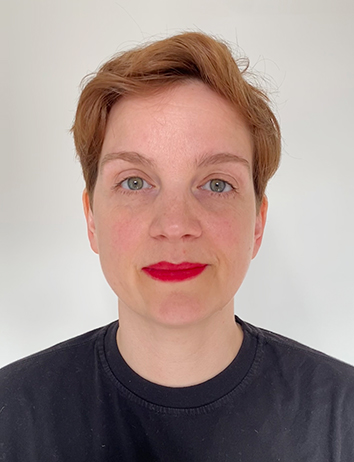
Red Chidgey is Reader in Gender, Media and Culture at the Department of Culture, Media and Creative Industries, King’s College London, UK. Their research focuses on the intersections of media, activism and memory, with a specialism in Do-It-Yourself cultures. They co-led the AHRC-funded Afterlives of Protest network and recently co-founded the Curating Futures Research Network. They are author of Feminist Afterlives (2018), Museums, Archives and Protest Memory (2024) and co-editor of the Routledge Companion to Media and Memory (forthcoming).
Kontakt